
Speakers

Diana Fernández de la Reguera
Diana holds a PhD in Marine and Coastal Management and advanced degrees in Marine Sciences, Coastal and Water Management, and Earth and Environmental Sciences, and has worked extensively with international organizations and marine-related conventions.
Chief Executive of the Marine Stewardship Council (MSC)
Rupert has been internationally recognized for his work to promote sustainable fishing practices. In 2014, he was awarded a Schwab Foundation Social Entrepreneurship Award, which recognizes leaders in sustainable social innovation. In 2009, he received the World Wildlife Foundation’s “Leaders for a Living Planet” Award, which recognizes individuals who make a significant personal contribution to the conservation of the natural world and sustainable development. He also received a Skoll Award for Social Entrepreneurship in 2007 for his contributions in establishing the MSC as the world’s leading fishery certification and ecolabelling program.
Rupert Howes earned an M.Sc. in Environmental Technology from Imperial College London, and a B.A. in Economics (with honors) from Sussex University. He also qualified as a Chartered Accountant (ICAEW) with KPMG in 1999.
David Carter
With a BSc in Marine Zoology/Science from the University of Melbourne (1978), David has led Austral’s operations across prawns, toothfish and other sectors, with a strong emphasis on science‑based, sustainable fisheries management. Under his leadership, Austral became the world’s first carbon neutral seafood company in 2016 and secured MSC certification for key fisheries such as sub‑Antarctic toothfish. He played a major role in combating illegal Patagonian toothfish fishing and in building premium brands including Glacier 51 Toothfish and Skull Island Prawns.
David also serves as WA Chair for The CEO Institute and has held governance roles in the Northern Prawn Fishery. His contributions have been recognised with induction into the Australian Fishing Industry Hall of Fame (2012) and the MSC Lifetime Achievement Award (2020).
Marcelo Hidalgo
CCO of the Fishing Industry Association in Papua New Guinea
With over 27 years of experience in the aquaculture and fisheries supply chain, he has advised major retailers, tuna fleets, seafood processors, NGOs and governments on the implementation and improvement of responsible sourcing and seafood sustainability. His experience covers fish farm management, standards development, strategic planning and stakeholder dialogue. Marcelo developed and implemented the Responsible Sourcing Policy (RSP), with a positive impact on land and sea fisheries. He currently serves on the board of directors of several environmental NGOs.
He holds a Bachelor’s degree in Aquaculture and a Post Graduate Diploma in International Trade, Business, and Commerce from the Escuela Superior Politécnica del Litoral in Ecuador.
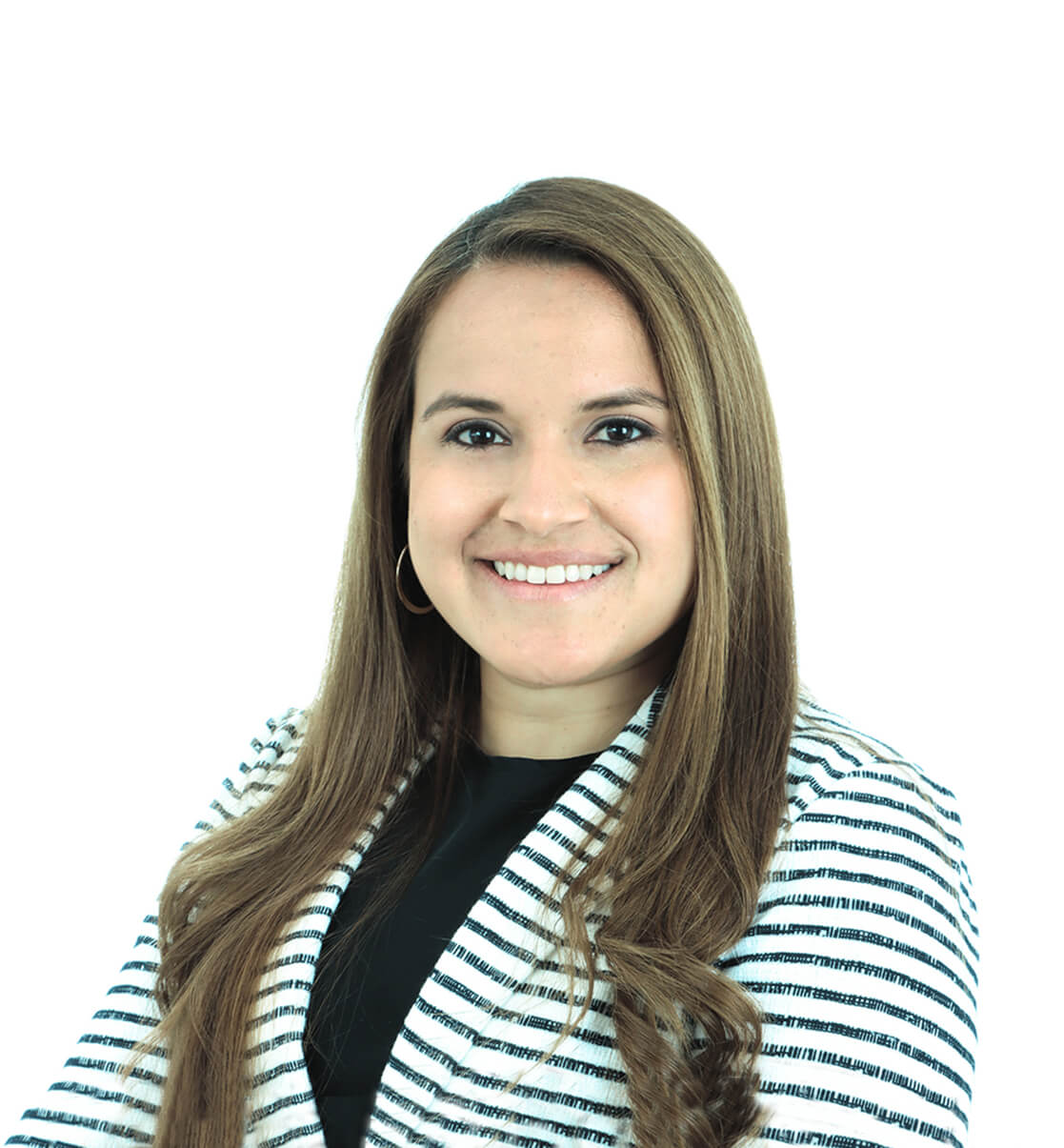
She is an engineer in Environmental Management and holds a master’s degree in Hydrology and Water Resources Management. With more than twelve years of experience in the design, implementation and evaluation of environmental projects in the public and private sectors, her professional career has focused on the conservation of coastal ecosystems and environmental management applied to the Ecuadorian shrimp industry.
As Environmental Coordinator of the National Chamber of Aquaculture, she leads initiatives aimed at the sustainability of the sector, including mangrove reforestation plans in shrimp farms, the development of good practice manuals, environmental education programmes and technical monitoring of complaints about environmental malpractice. She integrates the use of Geographic Information Systems for monitoring vegetation cover, assessing changes in land use, and verifying environmental impacts in coastal areas.
She also provides advice and technical monitoring to companies on national environmental regulations and international certifications.
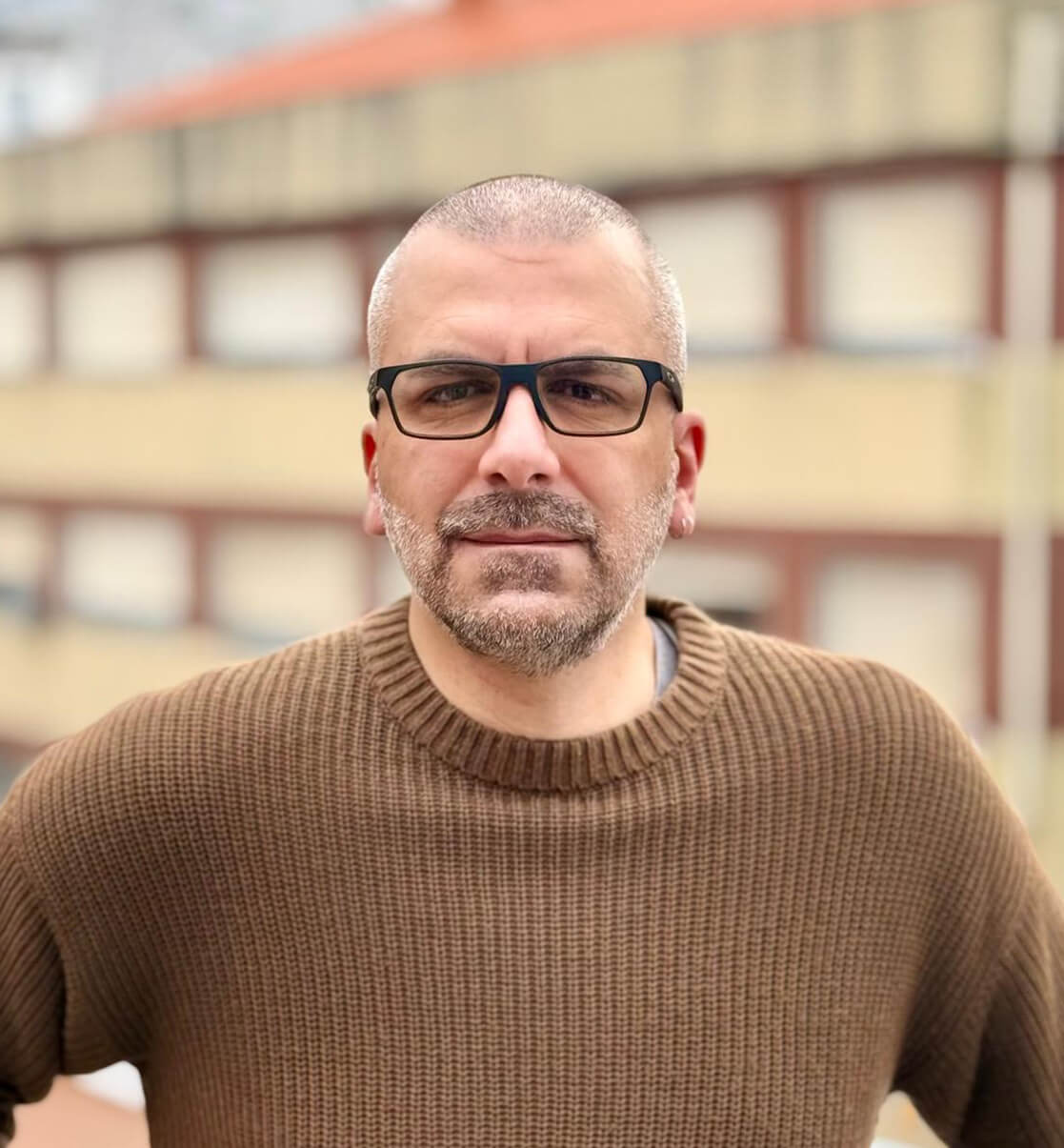
Gianluca Marino
He has worked at the Australian National University (Australia) and the Universitat Autónoma de Barcelona (Spain), and has been a visiting researcher at leading international institutions such as the University of Cambridge, the Lamont Doherty Earth Observatory and the National Oceanography Centre. He has published in high impact journals such as Nature and led national and international projects. It also teaches undergraduate, master’s and doctoral programs; participates in international courses; and collaborates with the public and private sectors to promote understanding and action on climate change.
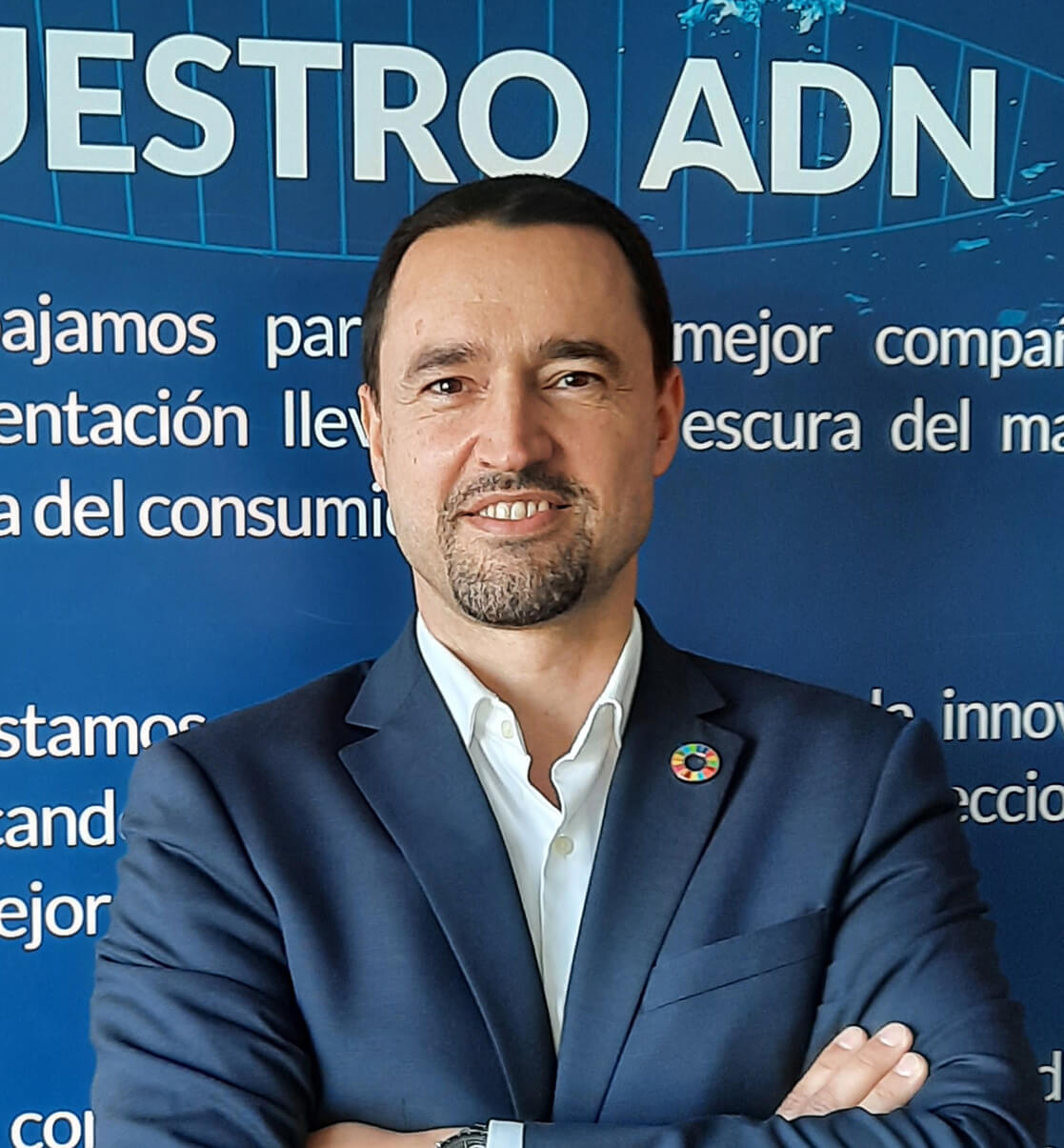
Nuno Cosme
Chief Sustainability & CSR Officer Nueva Pescanova Group
He holds a degree in Marine Biology from Portugal, a master’s degree in Environmental Engineering, and a PhD in Sustainability Engineering from Denmark. He has an extensive background in quantifying and analysing the sustainability of products and processes, as well as conducting studies on ecology and managing environmental impacts.
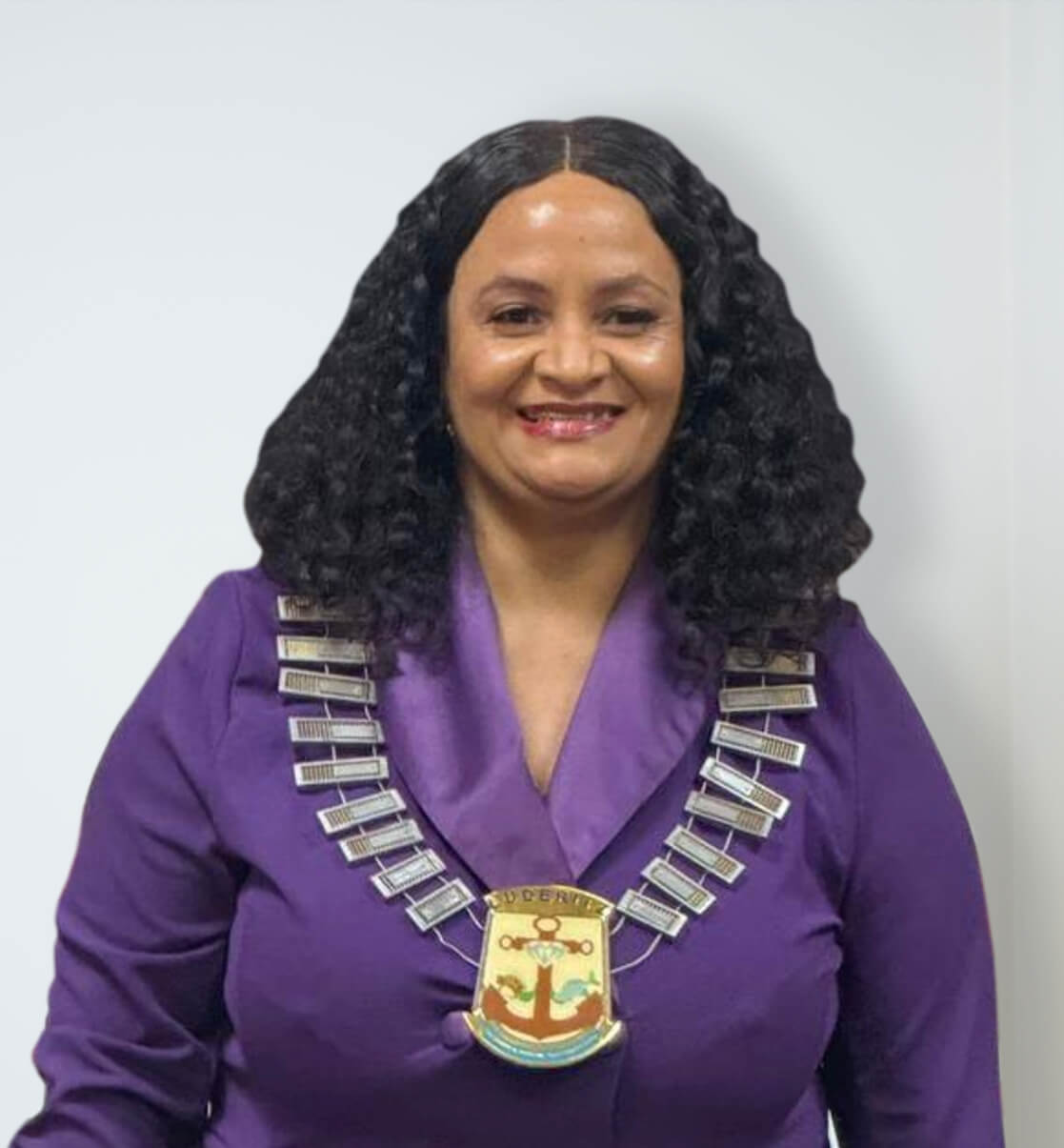
Brigitte Ingrid Fredericks
A regular public speaker with a passion for community development, her political career began in 2015 when she first served office as Deputy Mayor of the town of Luderitz. In 2021, she was re-elected as a Councillor and in 2026, she became Mayor of Luderitz.
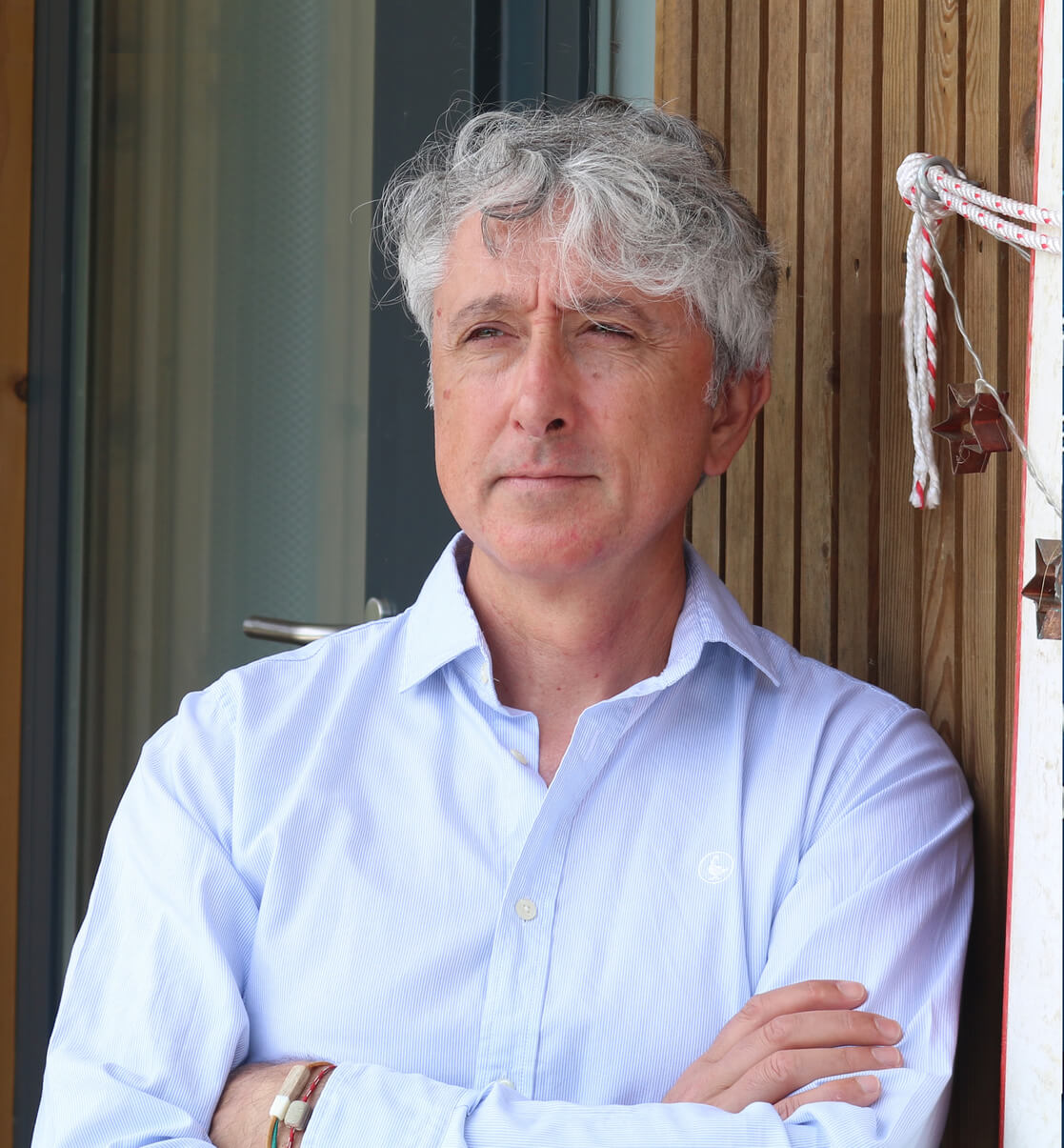
Gonzalo Rodríguez
Lecturer in the Department of Applied Economics at USC
His research focuses on the economic impacts of fishing, aquaculture and the processing of marine resources, with a particular emphasis on input–output methods. He is director of the Input–Output Tables for Fisheries and Canning in Galicia, a key tool for measuring the contribution of the sea‑industry chain to the Galician economy. His work also covers the markets and marketing of seafood, as well as the analysis of poaching and other illegal activities.
He is currently a member of the board of the European Association of Fisheries Economists (EAFE) and participates in the ICES Working Group on Economics (WEGCON). He has collaborated with major regional, national and European fisheries administrations. And when all the above allows it, he also practises surfing.
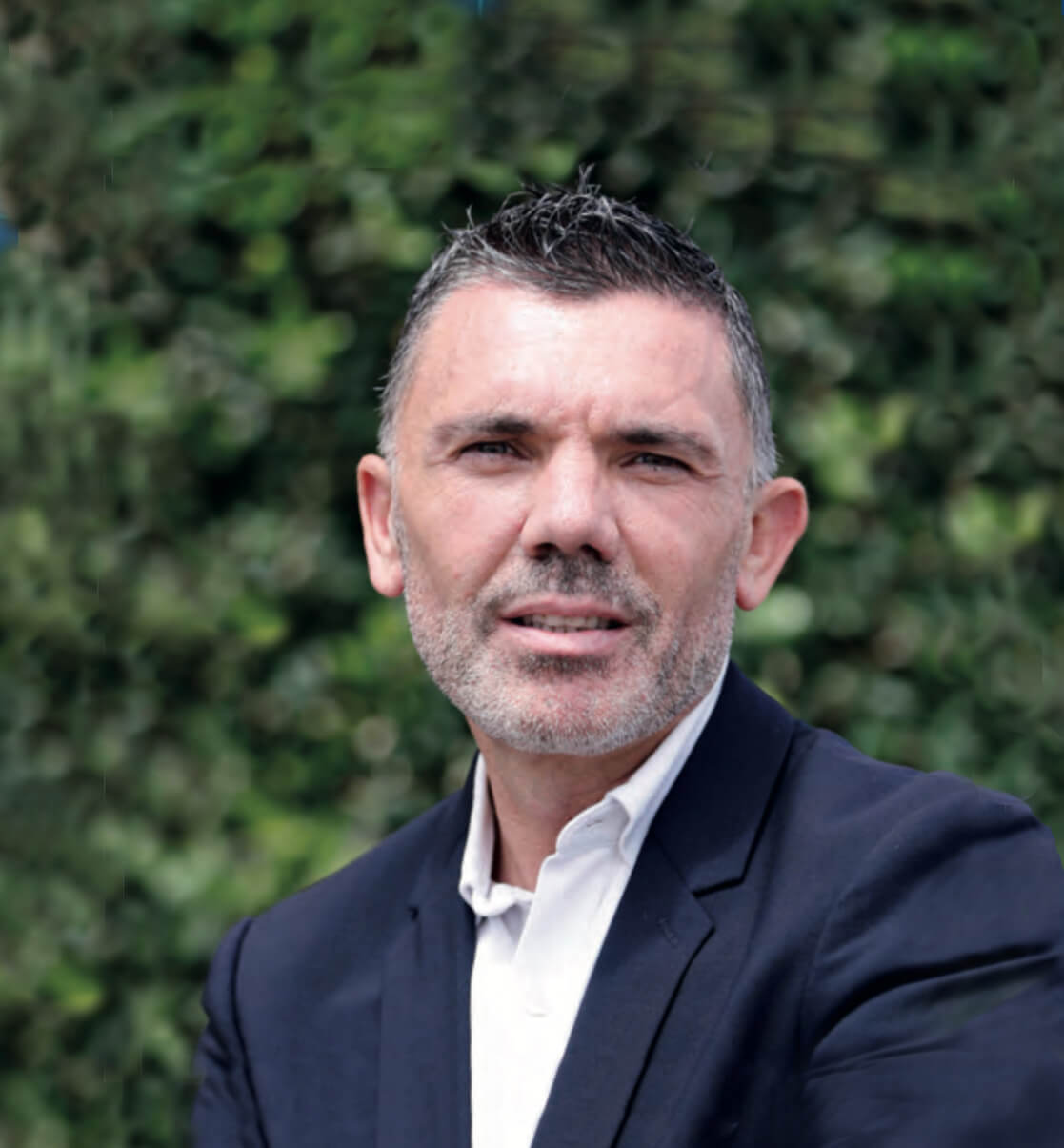
Eduardo Míguez
He has been Secretary of the Celeiro Fishermen’s Guild and manager of the Puerto de Celeiro company. He currently chairs the AECOC Seafood Committee, is a member of the LDAC (Long Distance Fleet Advisory Council) and the MAC (Market Advisory Council), and is part of the European Commission’s Expert Group on Markets and Trade in Fisheries and Aquaculture Products, an essential advisory body within the Common Fisheries Policy.
He holds a degree in Economics and a DBA from the Caixa Nova Business School and is a lecturer on the Master’s Degree in Logistics and Transport at the University of La Coruña.
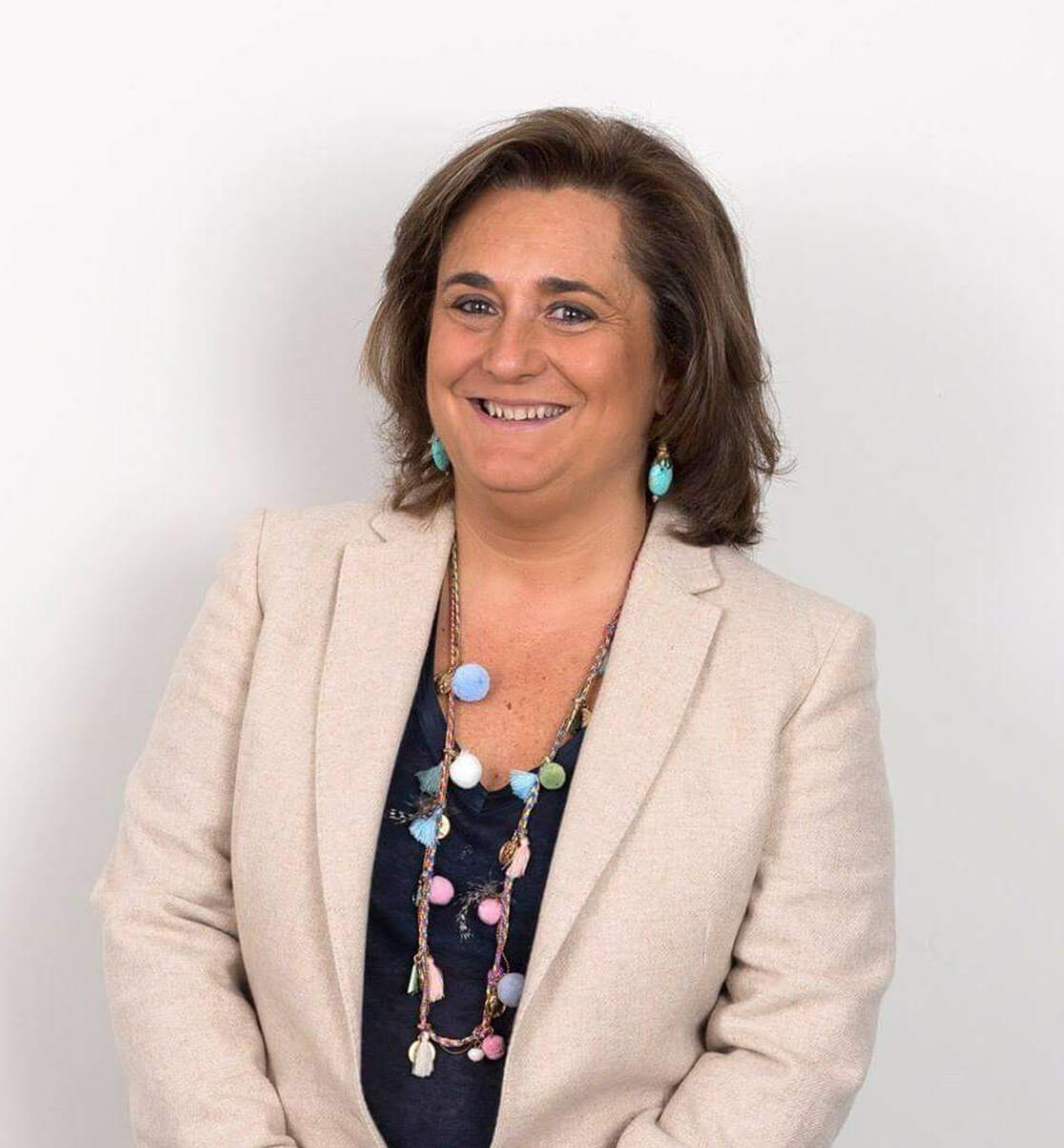
Her professional career has been closely linked to agricultural consulting firms such as EPASA, TIPSA and TRAGSATEC. The latter, known for its work in advanced engineering and technological development, carries out engineering, consulting and technical assistance in agriculture, forestry, rural development, environmental management and the marine environment.
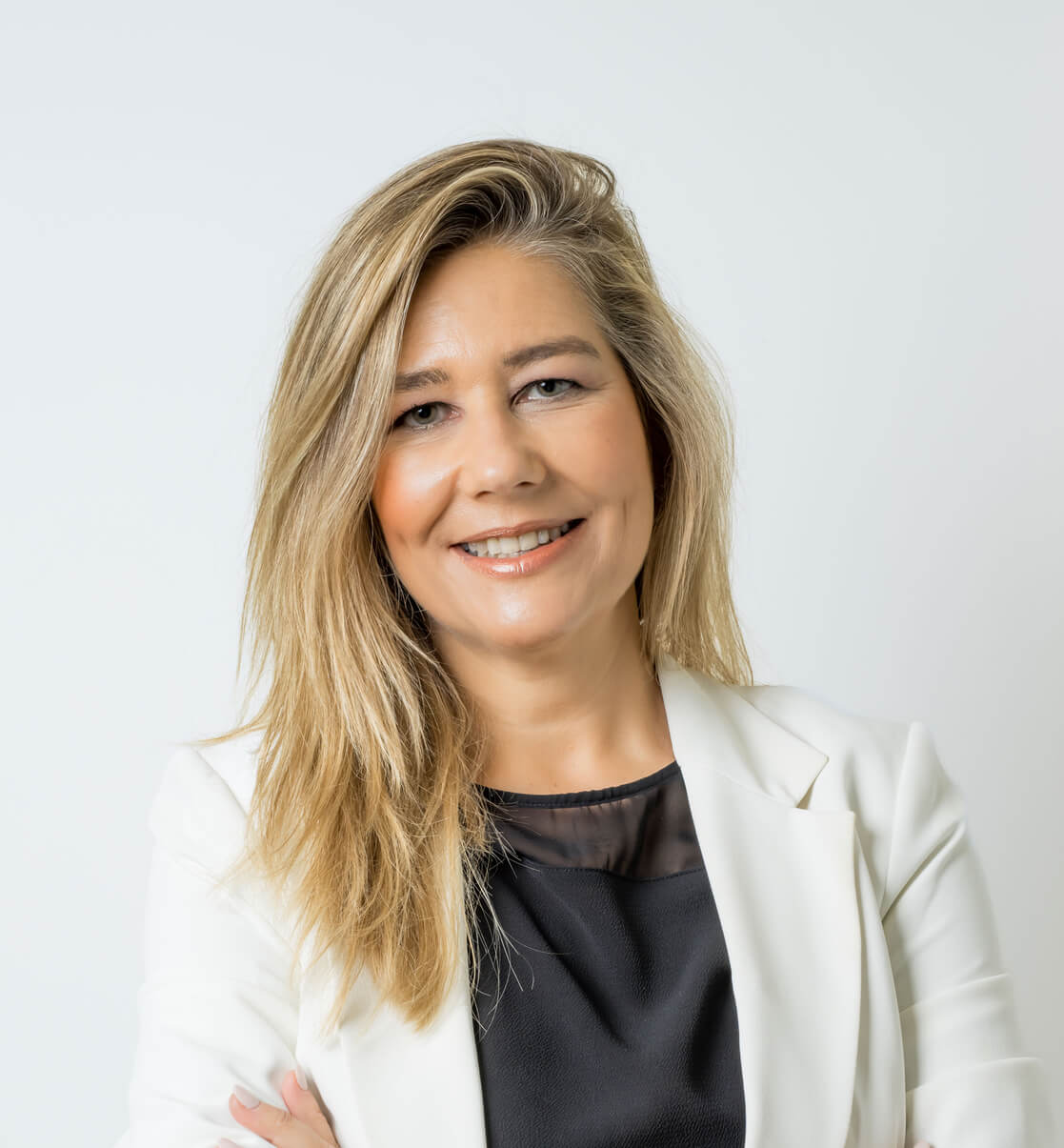
Carmen Redondo
Director of Institutional Relations of HISPACOOP
She is a member of the Spanish Council of Consumers and Users (CCU), the Advisory Council of the Spanish Agency for Food Safety and Nutrition (AESAN) and the Sustainable Development Council of the Ministry of Social Rights, Consumption and Agenda 2030. She is an advisor to the CNMC’s Electricity Advisory Council and has taken part in the MITERD’s Packaging and Packaging Waste Working Group.
She participates in Euro Coop’s Public Policy Advisory Group and has served as an expert in European Commission working groups on energy and consumption.
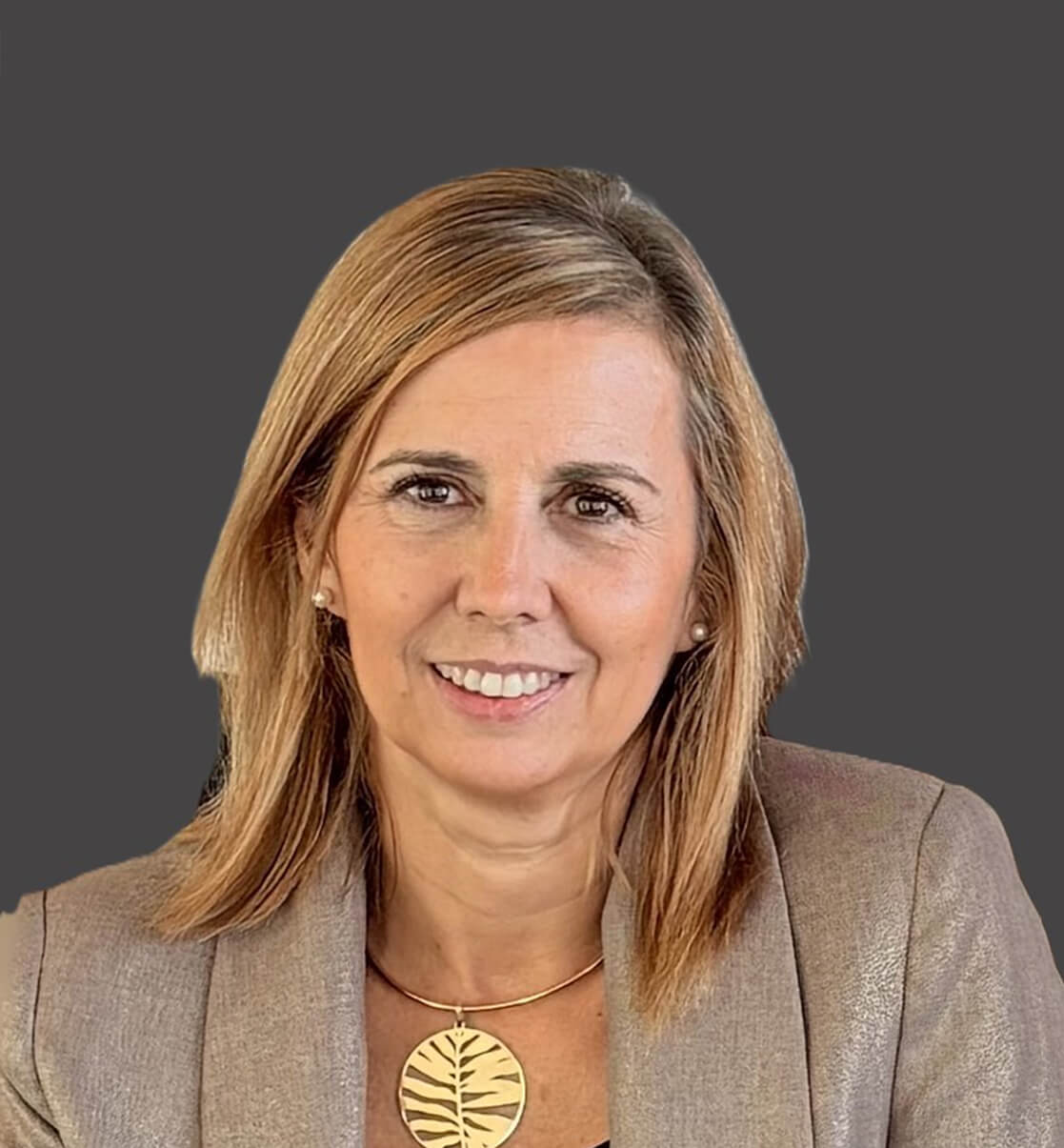
Nuria de Pedraza
She holds a degree in Journalism from the Universitat Autónoma de Barcelona and a postgraduate degree in Corporate Communication from Universitat Pompeu. She also has extensive experience in the media as well as in the field of corporate communications.
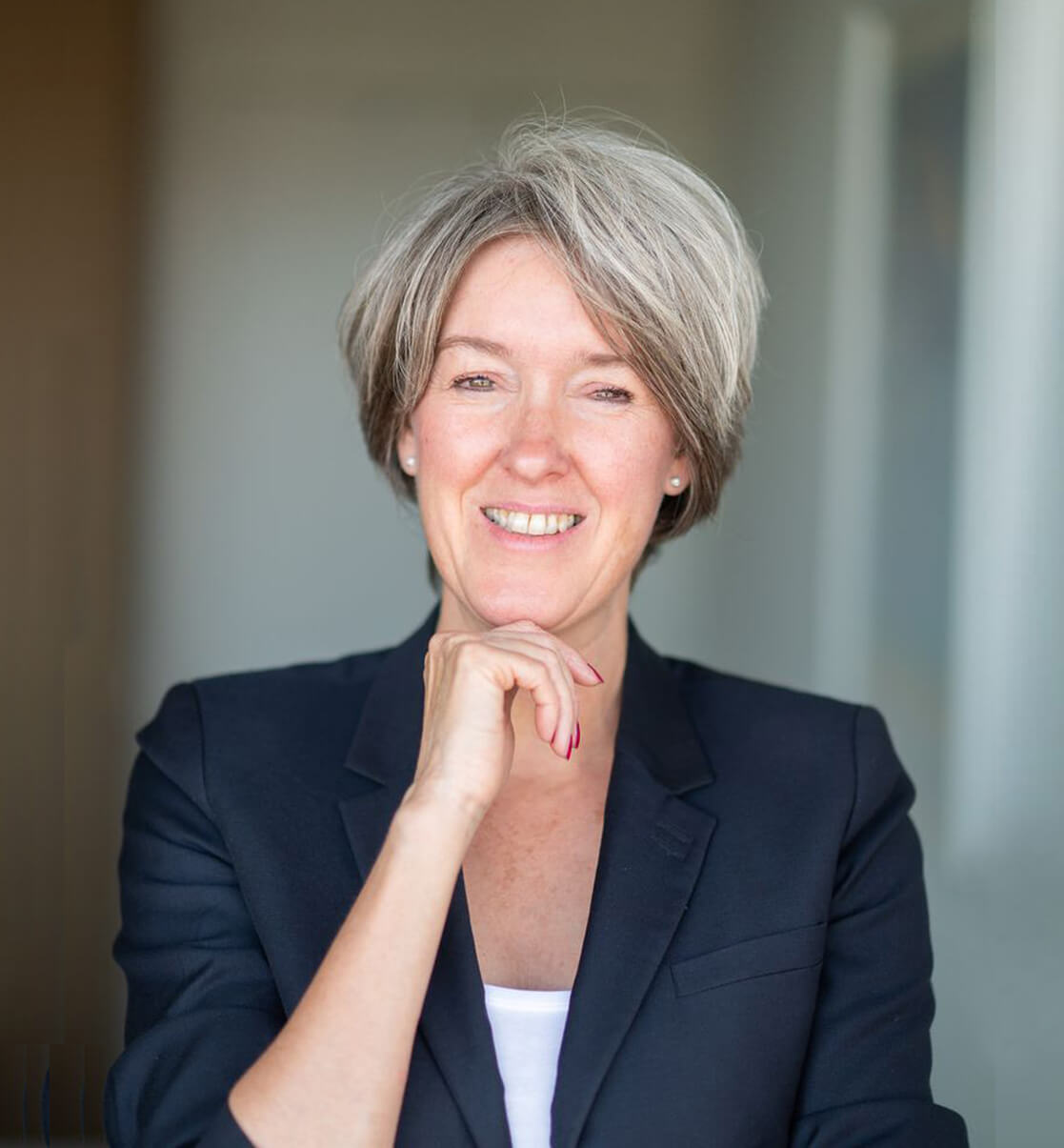
Fanny Douvere is a global expert in ocean conservation and World Heritage management, with more than twenty years of experience helping decision-makers turn science into lasting policy and action for the ocean. Today, she leads the Intergovernmental Oceanographic Commission of UNESCO’s work on Sustainable Ocean Planning and Management, where she helps countries worldwide to develop science and data-driven sustainable ocean plans that enable meaningful protection and sustainable ocean economies. From 2009 to 2025, she led UNESCO’s World Heritage Marine Programme, overseeing the conservation of 50 iconic marine protected areas across 37 countries, and spearheading global initiatives on environmental DNA, blue carbon financing, climate resilience, and high seas MPAs.
A skilled negotiator, she has worked with governments and local and Indigenous communities, and secured multi-million-dollar partnerships to advance ocean conservation worldwide. Between 2005 and 2009, she co-initiated the marine spatial planning movement and co-authored the world’s first practical guide on ecosystem-based marine spatial planning. She holds a PhD in ocean management, published widely, and is an honorary professor at the University of Edinburgh.
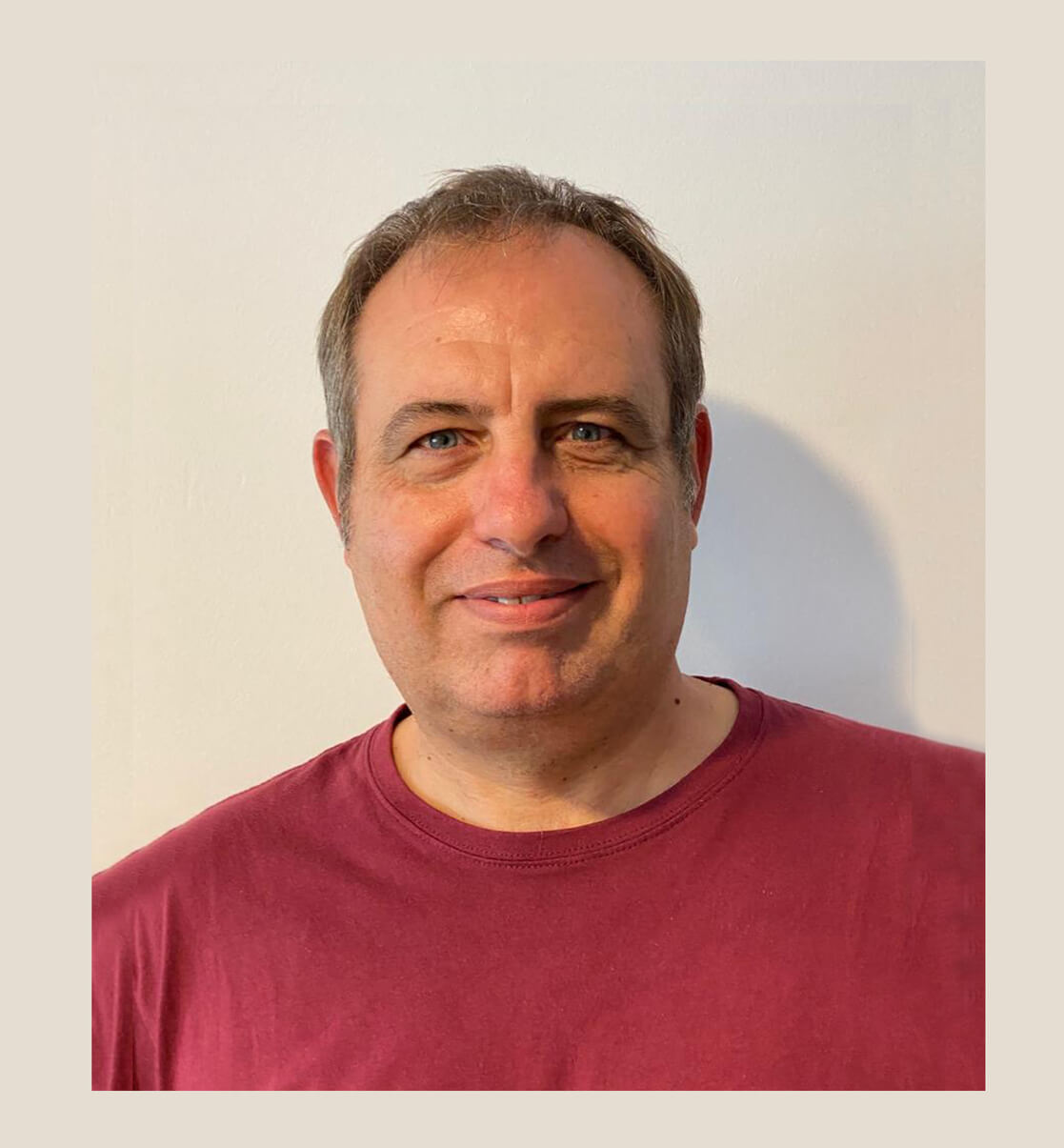
David Díaz
Scientific Researcher at IEO-CSIC
In 2017, he was appointed president of the Dragonera Marine Reserve commission and is the CN-IEO representative on various Spanish Marine Reserve committees. He is an expert member of European Natura 2000 Network committees and provides extensive advice to Spanish ministries on marine ecology, Marine Protected Areas and the impact of small-scale fishing. From 2022 to 2025, he took on the task of coordinating the scientific integration of the IEO into the CSIC as deputy scientific director of the National Centre. He currently leads a multidisciplinary team at the CN-IEO to assess the good environmental status of the Spanish coastline.
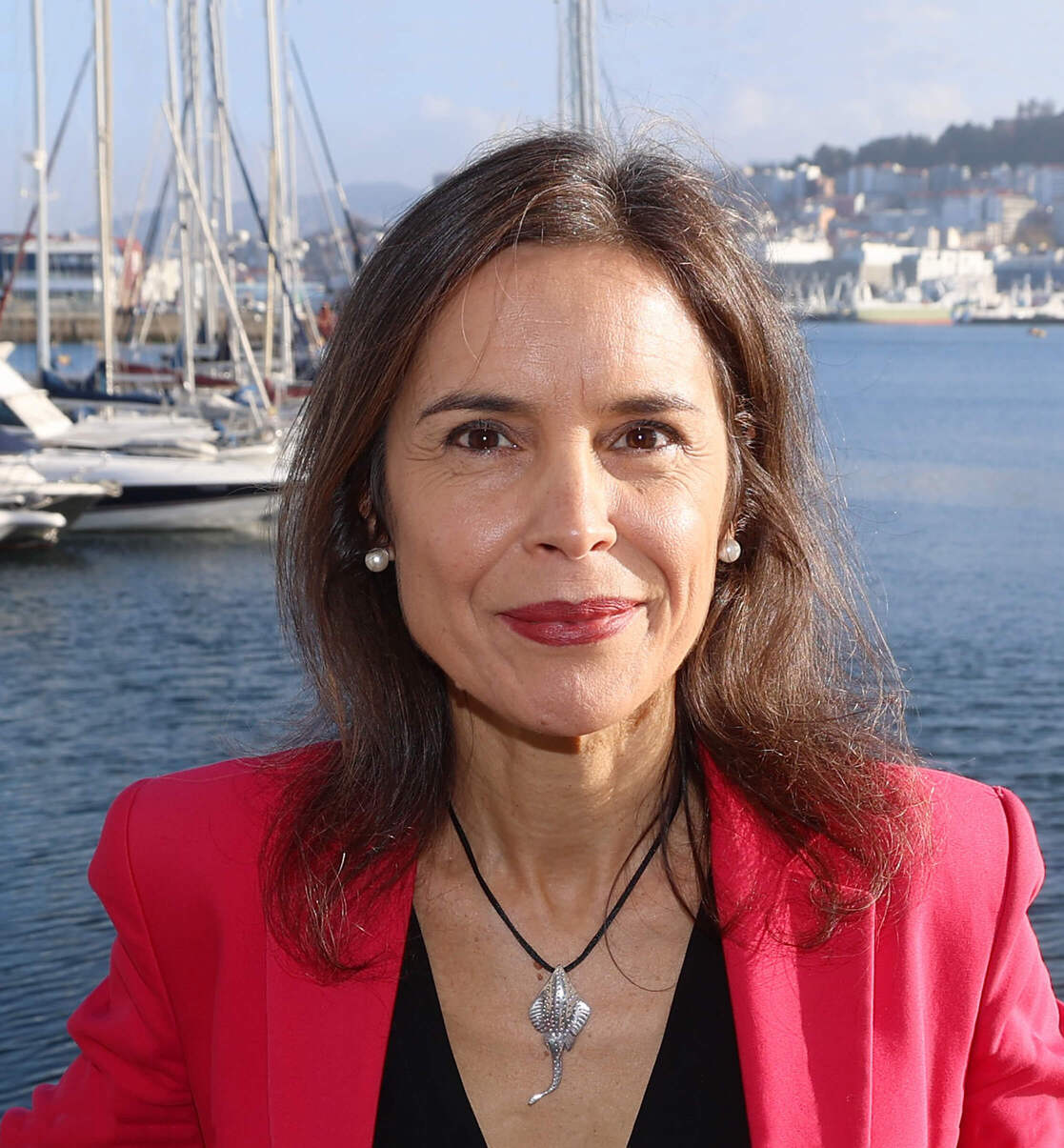
Rosa Chapela
Managing Director CETMAR
Rosa Chapela is the Managing Director of the Centro Tecnológico del Mar (Maritime Technology Center). She holds a PhD in Law from the University of Santiago de Compostela and a postgraduate degree in Fisheries Economics from the same university. She has been the coordinator of the Socioeconomics Department at CETMAR for more than 20 years. She began her career as a technical advisor for legal issues for the Fisheries Department of the Xunta de Galicia (Galician Regional Government). Since 2013, she has been a geographical expert and contact for Spain in the European Network FAMENET, a support unit for the DGMARE (General Directorate of Fisheries) in participatory local development through Local Fisheries Action Groups.
From CETMAR, she has led and participated in numerous European projects on fisheries sustainability, governance, competitiveness, and value chains in the fisheries and aquaculture sector; participatory local development; climate change, and more, collaborating with numerous teams from different European countries. She has collaborated with international organizations such as the FAO and the IUCN, and on international cooperation projects on training women in fisheries and aquaculture in countries such as Vietnam and Senegal, and on twinning projects in Romania and Bulgaria. She is a member of the CPMR Fisheries Working Group.
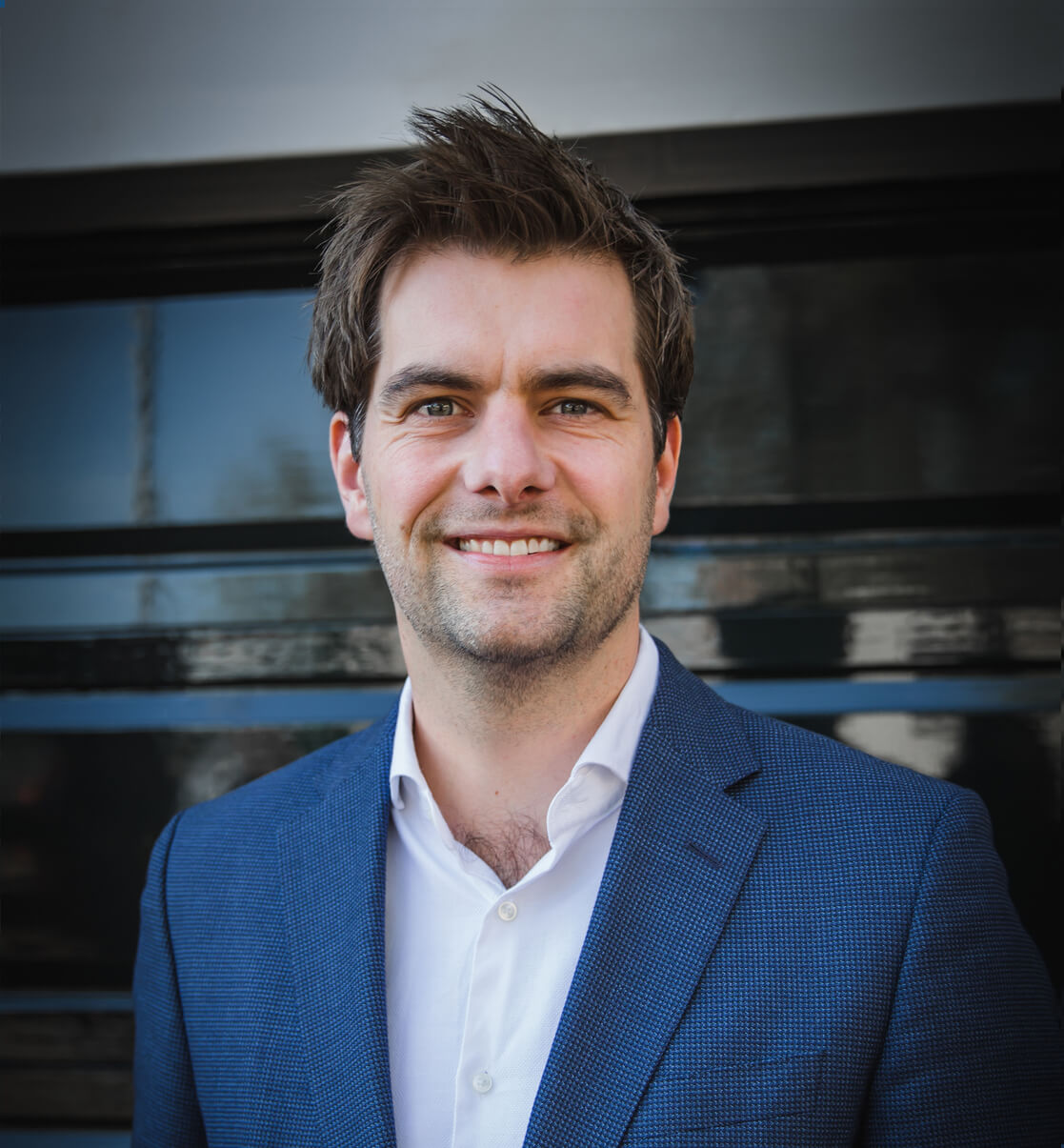
Gerbrand is responsible for the direction and daily operations of the World Benchmarking Alliance. He believes that society won’t progress unless companies align their business with societal interest. All of us should have a say on how we want companies to shape our lives and the world around us. Based on these societal expectations we can rightly credit companies that lead, while holding others accountable, encouraging both to do better.
Gerbrand originally founded and led Index Initiative, one of WBA’s founding partners, where he led the global consultation on the WBA. Prior to this Gerbrand worked for the Dutch Government in the areas of inclusive business, sustainable agricultural supply chains and food security.